
Equipment Care · Field Notes
A working guide to the daily, weekly, and seasonal rituals that keep a vulcanizer performing — and what happens when they're skipped.
A rubber vulcanizer stays in good working condition through a combination of daily visual checks, weekly cleaning, monthly lubrication and calibration, and periodic deep servicing of its heating, pressure, and electrical systems. Skipping these steps is the single most common cause of inconsistent cure quality, unplanned downtime, and premature equipment failure. Operators who follow a structured maintenance schedule typically extend the service life of their machine by several years while avoiding the cost of emergency repairs.
Below is a practical breakdown of what proper upkeep actually involves, organized by system and by frequency, so that any shop — whether running a small manual press or a large conveyor belt vulcanizing press — can build a maintenance routine that fits its production schedule.
Daily inspection takes only a few minutes but catches the majority of small issues before they become expensive problems. These checks should become part of the standard start-of-shift and end-of-shift routine for every operator.
This habit of daily logging is particularly valuable because it creates a data trail. If a heating plate begins drifting out of calibration, the pattern usually shows up in the logs weeks before it causes a failed cure.
The heating system is the heart of any vulcanizer, and it is also the component most sensitive to neglect. Whether the machine uses electric heating elements, steam, or thermal oil, temperature accuracy directly determines whether the finished rubber meets its physical property targets.
Heating elements embedded in the platens can degrade over time, producing uneven temperature across the plate surface. A variance of more than 3°C across the mold face is generally considered the threshold at which cure consistency starts to suffer. Testing plate temperature at multiple points with a calibrated surface thermometer once a month helps catch this drift early.
For steam-heated units, boiler scale buildup and condensate trap failures are the most common causes of inconsistent heating. Thermal oil systems require periodic oil analysis, since oxidized or contaminated oil loses heat transfer efficiency and can eventually damage seals and pumps. Most manufacturers recommend oil sampling every three to six months depending on operating hours.
Info
A monthly surface-temperature check across multiple points on the platen is one of the simplest ways to catch heating drift before it affects finished parts.
Insufficient or uneven pressure is one of the leading causes of porosity and poor bonding in finished rubber parts. The hydraulic system that generates clamping force needs regular attention to keep pressure output stable and predictable.
On larger installations, especially a conveyor belt vulcanizing press used for splicing industrial belting, pressure uniformity across the entire splice length is critical. Uneven clamping pressure along the platen length can leave weak points in the splice that fail under load, so these presses should have their pressure distribution checked with test strips or load cells at scheduled intervals rather than relying on gauge readings alone.
Warning
A faulty pressure relief valve is both a quality issue and a safety hazard — it should be tested on a fixed schedule, never assumed to be functioning correctly.
The surfaces that contact the rubber directly need consistent cleaning and inspection, since residue buildup and surface damage both interfere with heat transfer and part release.
Use non-abrasive brass or plastic scrapers rather than steel tools, which can scratch precision-machined surfaces. Solvent-based mold cleaners formulated for rubber residue are preferable to generic degreasers, which can leave a film that affects surface finish on the next part.
Check platen and mold surfaces for pitting, warping, or corrosion every one to two months. Even minor warping, sometimes as small as 0.1 mm across a platen, can create pressure inconsistencies that show up as flash or incomplete cure at the edges of a part or splice.
This is especially relevant for conveyor belt vulcanising operations, where the splice plates must remain flat and parallel over long lengths. A slightly warped plate on a belt press can produce a splice that looks acceptable visually but delaminates prematurely once the belt is back under tension in service.
conveyor belt vulcanising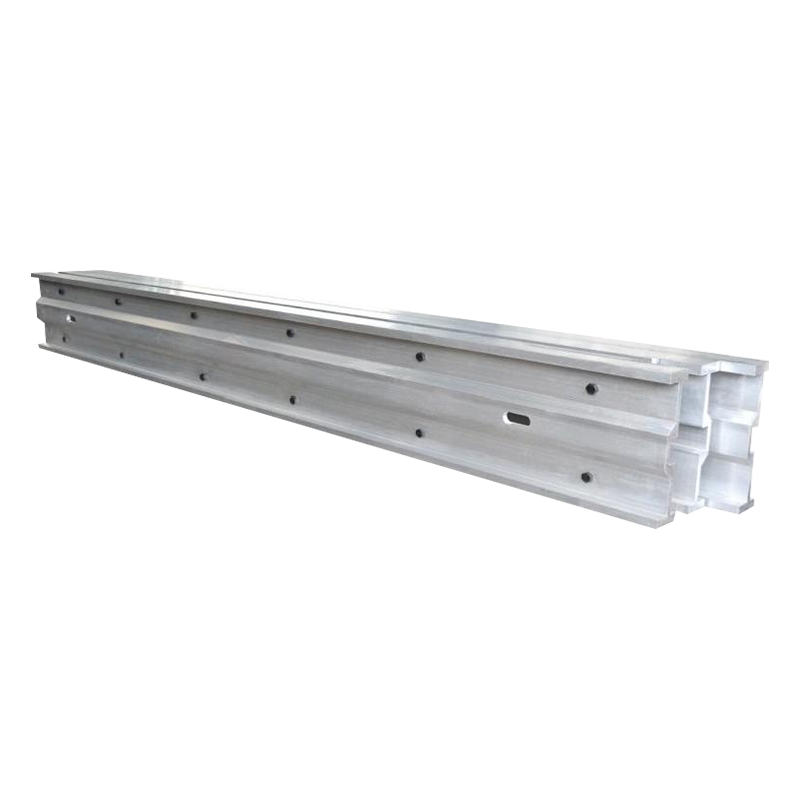
Moving parts such as guide rails, hinge pins, locking mechanisms, and clamp bars need lubrication on a schedule appropriate to their duty cycle. Under-lubrication accelerates wear and can cause binding that leads to uneven platen closure, while over-lubrication attracts dust and rubber debris that can jam mechanisms.
| Component | Recommended Interval | Lubricant Type |
|---|---|---|
| Guide rails and slides | Weekly | Light machine oil |
| Hinge pins and pivots | Bi-weekly | Grease |
| Locking and clamp mechanisms | Monthly | High-temperature grease |
| Hydraulic pump bearings | Per manufacturer schedule | Manufacturer-specified oil |
Control panels house the temperature controllers, timers, and safety interlocks that govern the entire vulcanization cycle. These components are sensitive to heat, vibration, and dust, all of which are present in a typical vulcanizing environment.
Danger
Because these checks involve exposed electrical components, they should only be performed by trained personnel with the machine fully de-energized and locked out.
Maintenance frequency should scale with how heavily the machine is used. A vulcanizer running two shifts a day in a busy production environment needs closer attention than one used occasionally for repair work. Below is a general framework that many shops adapt to their own equipment and manufacturer recommendations.
Following a schedule like this reduces the likelihood of surprise breakdowns. Shops that track maintenance data over time often find that more than 70% of unplanned downtime traces back to a small number of recurring issues, such as worn seals or drifting temperature sensors, both of which are caught easily by routine checks.
Even with a fixed schedule, operators should watch for warning signs that call for immediate attention rather than waiting for the next scheduled service.
Addressing these signs promptly, rather than pushing the machine through additional cycles, generally costs far less than repairing a component that has been allowed to fail completely.
A written or digital maintenance log is one of the most underrated tools in extending equipment life. Recording every inspection, part replacement, and calibration result creates a history that makes it much easier to diagnose recurring problems and to plan budgets for future servicing.
For shops performing conveyor belt vulcanising work, records are particularly valuable because splice quality is often reviewed after installation. Having documented proof that the press was properly calibrated and maintained at the time a splice was made can be important for warranty and liability purposes, especially on belts used in demanding industrial applications.
Summary
Keeping a rubber vulcanizer in good condition is not a single task but an ongoing routine that spans daily habits, weekly and monthly checks, and periodic deep servicing of the heating, pressure, and electrical systems. Shops that commit to this routine consistently see more reliable cure quality, fewer unplanned outages, and a longer working life from their equipment.
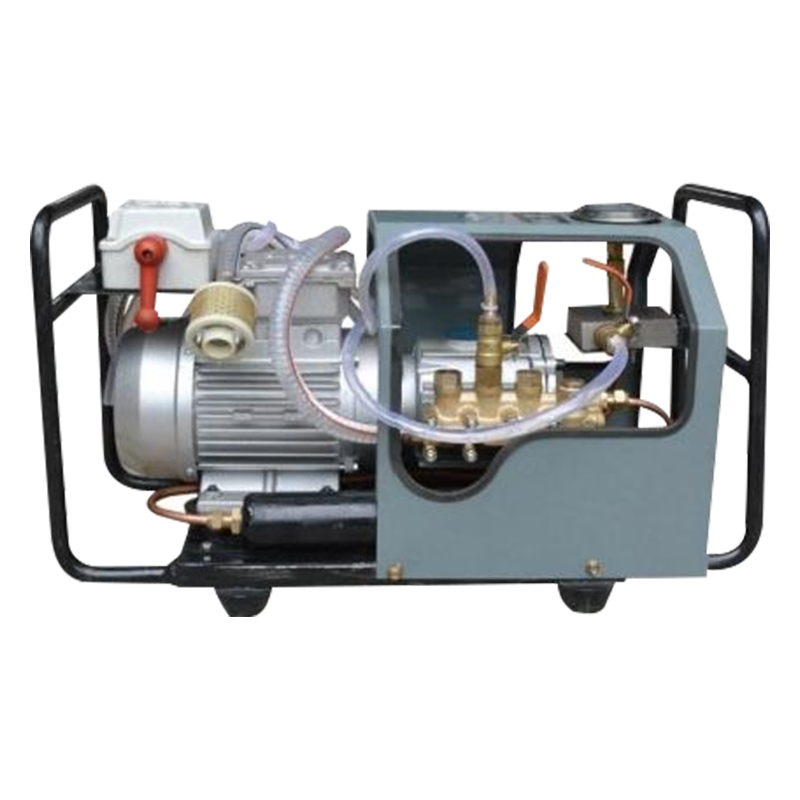 إصلاح الحزام الناقل: ضمان الأداء الأمثل وطول العمر
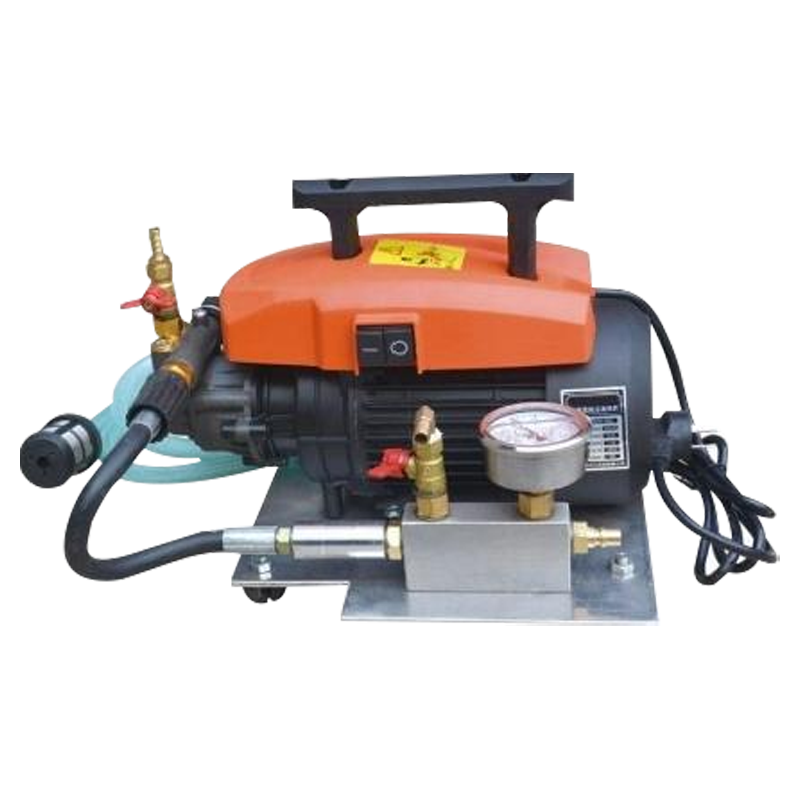 ما هي آلات الفلكنة الحزام الناقل؟
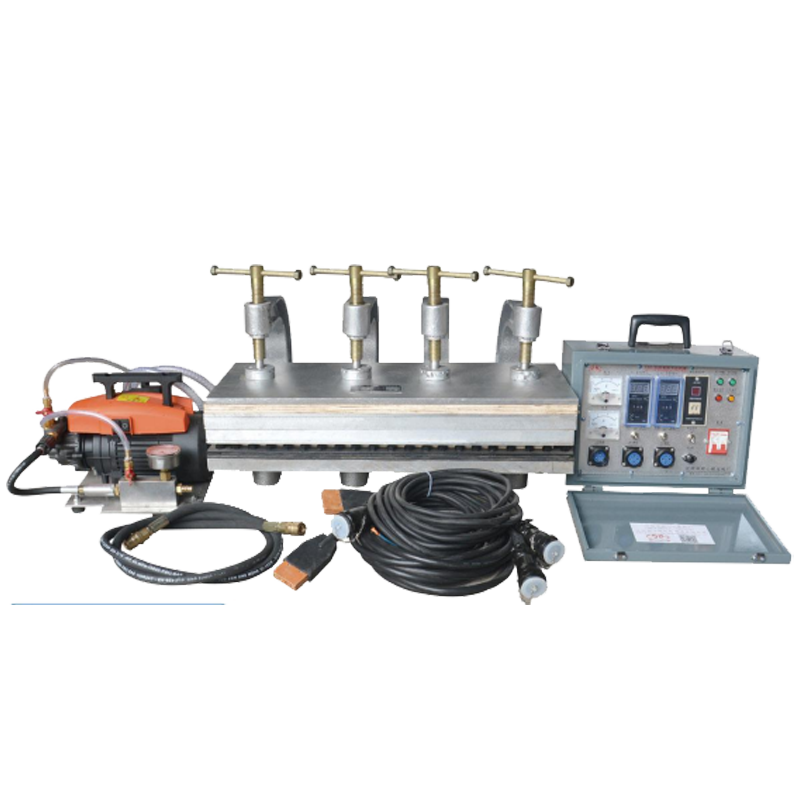 ما هي آلة الفلكنة بالحزام الناقل وكيف تعمل؟
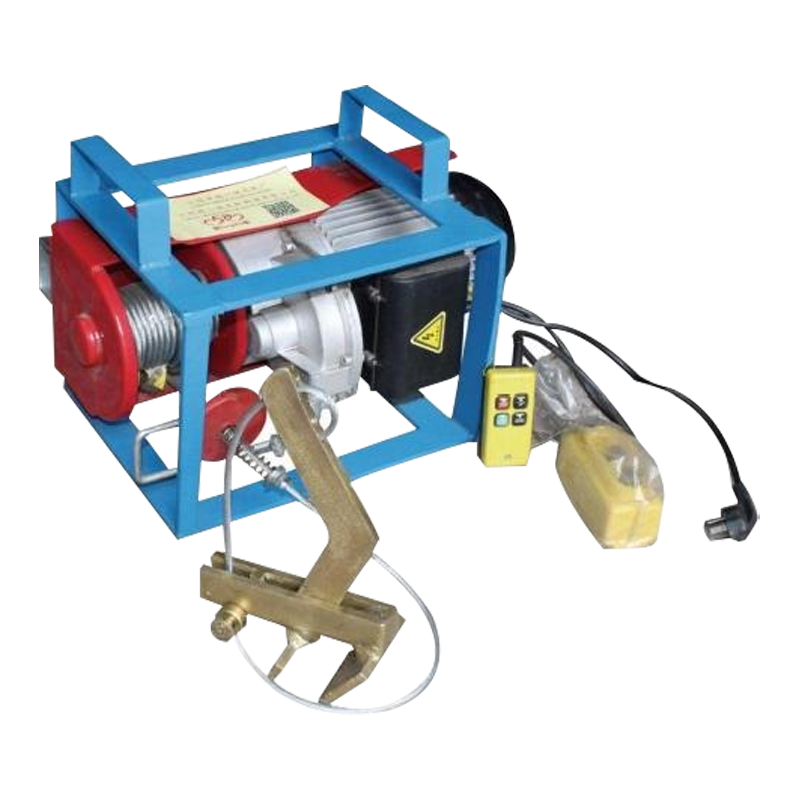 آلات إصلاح الحزام الناقل: كيفية اختيارها وصيانتها والاستفادة منها
 +86-18915223007
  +86-0510-86336668
  [email protected]
  رقم 21، شارع هيتانج المركزي، مدينة جيانغين، مقاطعة جيانغسو
 حقوق الطبع والنشر © Jiangyin Tongxin Vulcanizing Machine Manufacturer Co., Ltd. جميع الحقوق محفوظة.
OEM / ODM مصنعي ملحقات حزام الفلكنة



 Eng
Eng  Home
Home